Chronic pain has a way of gradually narrowing your life, pulling you away from activities you once took for granted and making you more cautious about movement in general. For many adults in Houston who have dealt with musculoskeletal issues for months or years, the most frustrating part is not the pain itself, but the sense that available treatments are either too invasive, too dependent on medication, or simply not producing the results they hoped for.
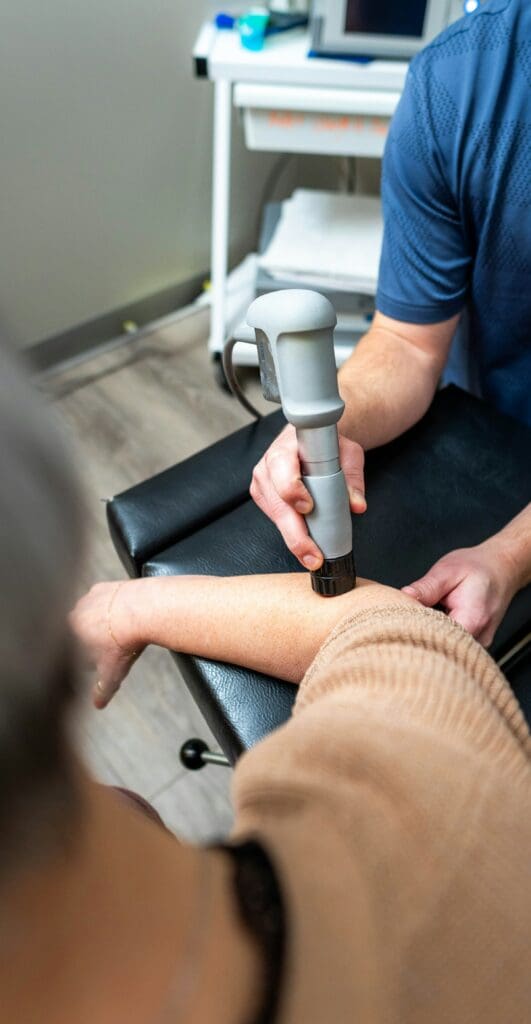
What Is Shockwave Therapy? Shockwave therapy, which Houston residents are increasingly exploring, offers a non-surgical, drug-free alternative that works by stimulating the body’s own healing mechanisms at the tissue level. Understanding how it works, what to expect, and who it may be appropriate for can help you make a more informed decision about whether it belongs in your recovery plan.
Shockwave therapy uses focused acoustic waves delivered through the skin to stimulate cellular healing activity in soft tissue, tendons, and ligaments without any incisions or injections. These acoustic waves stimulate the mechanisms inside cells that manage tissue repair, which can accelerate the body’s natural recovery process in areas where chronic inflammation or accumulated scar tissue has slowed healing.
The therapy also disrupts pain signals traveling to the brain, which is one reason some patients report a noticeable reduction in discomfort following treatment. At the tissue level, shockwave technology works to break down scar tissue and improve the elasticity of structures surrounding an injury, helping improve both function and comfort over time.
Collagen production is another key part of the healing response that shockwave therapy supports. This matters because collagen is the primary structural protein in tendons, ligaments, and connective tissue. Areas that have been chronically inflamed or repeatedly stressed often develop disrupted collagen structures, contributing to persistent pain and reduced range of motion.
By stimulating collagen synthesis, shockwave therapy helps these tissues rebuild with improved integrity rather than simply masking symptoms. Blood flow also increases in the treated area during and after a session, delivering oxygen and nutrients that support the repair process.
TRACE Body Rejuvenation in Houston integrates shockwave therapy as part of its Tension Release Therapy approach, using it alongside other modalities including TECAR therapy, infrared light, compression, and manual techniques. This allows them to address the full pattern of tension and dysfunction rather than treating a single symptom in isolation.
This layered approach, where shockwave therapy becomes one component of a coordinated treatment strategy rather than a standalone procedure, reflects how the clinic’s therapists identify where tension originates in the body and what combination of tools will address it most effectively.
The team at 829 Frostwood Drive in Houston has helped thousands of people across a wide range of injuries and conditions find meaningful relief through this individualized process. Low intensity shockwave therapy Houston Houston patients access through TRACE fits within a broader treatment plan designed around each person’s goals, not a fixed protocol applied uniformly.
One of the practical advantages of shockwave therapy for people with active lives or busy schedules is that sessions are short, typically lasting between fifteen and twenty minutes. Most patients can resume normal activities the same day.
This minimal downtime is one reason it attracts athletes, working professionals, and anyone who cannot accommodate extended recovery periods. Unlike surgical interventions that require weeks of restrictions, shockwave therapy works within the pace of daily life rather than requiring a pause.
The non-invasive nature of the treatment also eliminates risks associated with surgery, such as infection, anesthesia complications, and prolonged physical limitations. Patients dealing with plantar fasciitis, tendinopathy, calcific shoulder conditions, and similar issues often consider low intensity shockwave therapy in Houston because it offers a path forward without surgery and months of rehabilitation.
At TRACE Body Rejuvenation, shockwave therapy in Houston is integrated into sessions tailored to each patient’s needs, meaning both the time investment and application are personalized. Discussing your goals and condition with the team provides a clear understanding of what your treatment plan may involve before committing.
Recovery between sessions typically involves moderate activity adjustments rather than strict limitations. Many patients report that the time between treatments becomes more comfortable as healing progresses. Staying hydrated, managing activity levels, and communicating with your therapist all contribute to a smoother experience.
TRACE therapists guide patients through each stage of treatment, helping reduce uncertainty for those trying this approach for the first time.
Shockwave therapy Houston is generally well tolerated, and side effects are usually mild and temporary. Common reactions include slight redness, mild bruising, localized swelling, and a tingling sensation that typically resolves within a few days.
These responses reflect the biological activity stimulated in the tissue and are considered normal parts of the healing process. Most patients find these effects manageable and not disruptive to daily life.
This is a significant contrast to the longer recovery periods associated with surgery or invasive procedures. A day or two of mild soreness is very different from weeks of restricted movement and recovery.
Individual responses can vary. Some patients experience minimal side effects, while others may notice slightly more pronounced temporary reactions depending on tissue sensitivity, condition severity, and treatment intensity.
Open communication with your therapist allows for adjustments that improve both comfort and results.
While shockwave therapy is suitable for many patients with musculoskeletal pain and soft tissue conditions, it is not appropriate for everyone.
It is not recommended for pregnant individuals, as its effects on fetal development have not been established. Patients with cancer near the treatment area should also avoid this therapy due to potential risks associated with stimulating tissue near malignancies.
Individuals with bleeding disorders or those taking anticoagulants should consult a qualified provider before proceeding.
Other factors that may affect eligibility include having a pacemaker, open wounds, active infections, or certain nerve conditions in the treatment area.
A thorough intake process at TRACE Body Rejuvenation ensures each patient receives care appropriate for their situation, rather than following a standardized protocol.
Shockwave therapy available in Houston through TRACE is part of a broader care philosophy focused on non-invasive, whole-body approaches to recovery. The clinic’s Tension Tracing process identifies the root causes of tension and builds a treatment plan tailored to each individual.
Shockwave therapy offered by TRACE Body Rejuvenation fits into a larger commitment to non-invasive, personalized care that addresses the root causes of pain rather than just symptoms.
The combination of acoustic wave technology, minimal downtime, and integration with other therapies makes it a practical option for active adults and athletes seeking progress without surgery or extended recovery.
Careful screening, detailed intake, and ongoing communication ensure the approach is safe and tailored to each individual.
Visit 829 Frostwood Drive in Houston, call (281) 571-3209, or go to tracethebody.com to schedule your session and begin your path toward improved mobility and reduced pain.