Muscle tension that has built up over months or years does not always respond to the approaches that work for acute soreness. The tightness that settles into the upper back, the persistent stiffness in the neck and shoulders, and the restricted range of motion that limits how freely you move throughout the day often require something more targeted than rest or general exercise to truly improve.
Cupping therapy is one modality that addresses these patterns through a fundamentally different mechanism than compression-based massage. Understanding how that difference works can help you decide whether it makes sense for your specific situation. TRACE Body Rejuvenation offers cupping that Houston clients can access as part of a broader approach to pain relief, recovery, and whole-body care.
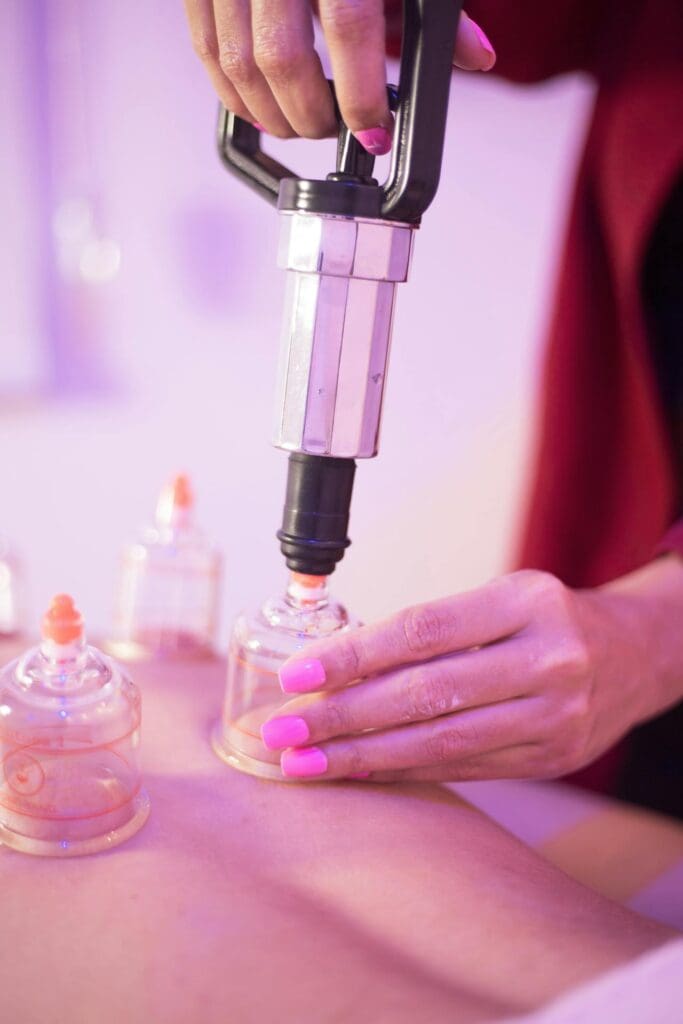
Cupping therapy uses suction created by specially designed cups placed on the skin to generate negative pressure in the underlying tissue. This negative pressure lifts the skin and superficial muscle layers upward rather than compressing them downward, which is the key distinction between cupping and traditional massage.
The lifting effect increases blood flow to the treated area, bringing oxygen and nutrients to tissue that may have experienced reduced circulation due to chronic tension or restricted movement patterns. Improved circulation supports the body’s natural processes for clearing metabolic byproducts that accumulate in overworked or under-recovered muscle tissue.
The increase in local blood flow can help reduce the feeling of heaviness and soreness that active individuals and those dealing with chronic muscle tension often experience. Athletes coming off demanding training cycles frequently carry tension patterns that benefit from this type of targeted circulatory support, particularly in the back, hips, and shoulders.
People who spend long hours at a desk or engage in repetitive movement patterns also commonly develop sustained tension that cupping can address effectively. TRACE Body Rejuvenation’s therapists apply cupping as part of a whole-body care philosophy, identifying where tension is concentrated and positioning the cups to address each client’s specific patterns.
Cupping that Houston clients experience at TRACE takes place in a setting where each session is tailored to the individual’s current physical condition and goals rather than following a rigid, standardized protocol. The team’s background in Tension Release Therapy provides a framework for understanding how different areas of tension relate to one another and which approach is most likely to create meaningful change.
Fascia, the connective tissue that surrounds and links muscles throughout the body, plays a major role in how freely movement occurs and how tension spreads when one area becomes restricted.
Cupping therapy helps make fascia more pliable, supporting improved flexibility and a greater range of motion. Fascial restrictions that develop over time due to injury, posture, or repetitive stress often contribute more to limited movement than the muscle tissue itself.
By applying negative pressure, cupping stretches fascial tissue in a way that passive movement alone often cannot achieve. This can lead to noticeable improvements in how movement feels and functions.
Improved fascial mobility also affects surrounding structures. Because the fascial network is interconnected, a restriction in one area can impact distant regions. For example, tension in the thoracic spine can influence the neck and shoulders. Addressing these fascial patterns can reduce symptoms beyond the immediate treatment area.
TRACE Body Rejuvenation’s therapists account for these interconnected patterns, applying cupping in ways that reflect how tension travels through the body rather than focusing only on where symptoms appear. This approach aligns with their Tension Tracing method, which identifies the root patterns before determining treatment strategy.
Clients dealing with reduced flexibility due to scar tissue from past injuries may also benefit from cupping. The suction can help break up superficial adhesions that limit tissue mobility. TRACE often combines cupping with other modalities, including TECAR therapy and soft tissue techniques, to address layered restrictions more effectively.
Cupping therapy supports pain relief by improving circulation in tight or restricted areas, addressing the underlying causes of discomfort rather than simply masking symptoms.
Chronic tension often leads to reduced blood flow, creating a cycle where oxygen deprivation and metabolic buildup keep the tissue in a contracted, sensitive state. By actively drawing blood into these areas, cupping supports normalization and encourages more complete release of tension.
Many clients report a noticeable reduction in localized pain and pressure during and after a session. The back, neck, and shoulders are among the most commonly treated areas and are also where clients frequently experience significant relief.
Cupping that Houston clients receive at TRACE targets these high-tension zones with precise placement based on the therapist’s assessment. This produces more consistent results than general placement based only on reported discomfort, since the source of pain is not always the same as where it is felt.
Cupping also helps move lactic acid and other metabolic byproducts out of muscle tissue following exercise or prolonged exertion. This supports faster recovery and reduces post-exercise soreness. TRACE incorporates cupping into its athletic recovery services for clients who want to maintain consistency without building up unresolved fatigue.
When suction is released at the end of a cupping session, the body responds with a natural release of endorphins. These are the body’s internal pain-relieving chemicals that also promote relaxation and recovery.
This response contributes to the sense of relief and calm many clients feel after treatment. It supports ongoing healing in the hours following the session and represents a real physiological response rather than just perception.
For clients seeking non-medicated approaches to pain management, this is especially meaningful. TRACE Body Rejuvenation prioritizes non-invasive, drug-free therapies that work with the body’s natural systems rather than overriding them.
Many clients also report improved sleep following sessions, which further supports recovery and overall physical resilience. The relaxation effects often extend beyond the treated areas, reflecting how interconnected the body’s tension and recovery systems are.
TRACE therapists use the post-session period to help clients recognize changes in how their body feels compared to their initial state. This helps track progress and informs future sessions, making cupping a valuable part of a long-term recovery strategy rather than a one-time treatment.
Cupping that Houston clients seek through TRACE Body Rejuvenation is part of a broader approach focused on identifying and releasing patterns of tension that limit movement, recovery, and overall function.
Whether you are managing chronic muscle tightness, supporting athletic recovery, or looking for a non-invasive way to address physical stress, cupping offers meaningful benefits supported by both tradition and modern research.
The experienced therapists at TRACE apply cupping within a whole-body assessment, making each session more targeted and effective. Call (281) 571-3209, email staff@tracethebody.com or visit tracethebody.com to schedule your session at 829 Frostwood Drive in Houston.