People with diabetes are vulnerable to a condition known as diabetic neuropathy, a form of nerve damage that can affect many parts of the body. Among its various forms, gastroparesis is a significant complication where the nerves controlling the stomach’s ability to grind food and move it along the digestive tract slow down or stop functioning. This leads to delayed stomach emptying, causing symptoms like nausea, bloating, and abdominal pain. Gastroparesis occurs more frequently in those with diabetes compared to people without diabetes because of nerve damage related to chronic high blood sugar levels.
This nerve-related issue is not isolated to the stomach. Diabetics often suffer from peripheral neuropathy, affecting their hands and feet, and autonomic neuropathy, which impairs internal organs such as the heart, blood vessels, and the digestive system. These complications require careful management to prevent worsening health problems that go beyond blood sugar control. Recognizing that gastroparesis can happen independently of GLP-1 medications highlights how essential comprehensive care for diabetic patients really is.
For those considering GLP-1 drugs, we recommend receiving treatment at a center like TRACE, where care includes not just medication but a holistic approach. This means nutritional guidance tailored to each’s needs, access to personal trainers — since physical activity enhances gastrointestinal motility — and frequent monitoring of vital signs and bowel habits. Open communication about digestive health is encouraged to detect and address any issues early on, avoiding progression to serious illness.

In today’s market, there is considerable demand for rapid weight loss and financial incentive for clinics to provide quick solutions. This has led to a business model where patients often pay for GLP-1 injections with minimal follow-up once they go home. Unfortunately, this model leaves patients without professional support to identify or address side effects early, sometimes with tragic consequences. The eagerness to lose weight fast can cause patients to overlook the risks and warnings presented during consultations.
During patient consultations here at TRACE, it is common to see eyes glaze over when potential complications are discussed. Many want to focus solely on the promise of weight loss rather than the necessary cautionary steps. However, higher doses than the body can tolerate elevate risks, particularly of gastrointestinal side effects such as gastroparesis. It is dose-dependent: the more aggressive the dosing, especially during the early weeks, the higher the chance of delayed gastric emptying causing uncomfortable or unsafe symptoms.
The way GLP-1 drugs work involves intentionally slowing stomach emptying to help patients feel full and better control blood sugar. During the initial 4 to 8 week dose escalation phase, the body adjusts but symptoms like nausea or delayed emptying may become pronounced. The safest approach involves gradual dose increases and lowering or stopping medication if gastrointestinal symptoms persist. Regular monitoring and dose management ensure that patients achieve results without putting their digestive health at risk.
While GLP-1 medications have been linked to gastrointestinal issues, including a higher risk of gastroparesis compared to some other obesity drugs, the overall risk remains low for most patients. The delays in gastric emptying they cause tend to be temporary and related to dosage, generally reversing after stopping or reducing the medication. For many users, this does not mean permanent nerve damage but rather a controllable side effect.
Tolerance varies widely among individuals, with some experiencing significant gastrointestinal discomfort even at low doses. For those with a history of digestive problems—including diabetic gastroparesis—careful monitoring is crucial before and during GLP-1 treatment. Assessing each patient’s unique medical background allows us to customize care and reduce the risk of worsening pre-existing gastrointestinal conditions.
Recognizing these nuances allows us at TRACE to carefully watch for symptoms and intervene early. Regular check-ins mean we can ensure benefits are maximized while minimizing harm. Patients who understand these risks and work within a structured program usually experience safe, effective weight loss alongside improved overall health.
One concern we have is the practice of self-injecting GLP-1 medications for extended periods without professional follow-up. This can lead to unmanaged side effects and missed signs of complications. TRACE requires patients to come in for weekly 30-minute visits at no additional charge, giving ample time to discuss progress, address any side effects, and check vital signs. We track not just weight changes but improvements in blood pressure and other health indicators over time.
We encourage patients to engage with personal trainers and pursue enjoyable physical activities such as ballroom dancing or golf, as staying active supports both weight loss and gastrointestinal function. Exercise is an integral part of our holistic strategy to help patients become not just thinner, but healthier and more energetic. This focus on body movement and enjoyment fosters sustainable habits beyond medication.
Before starting treatment, we conduct a detailed consultation emphasizing that long-term success depends on diet and exercise in addition to medication. Even if GLP-1s reduce appetite, patients still need to eat sufficient nutritious food — including more fruits, vegetables, and protein, while cutting added sugars and excessive carbohydrates. Our guidance supports gradual lifestyle improvements that maintain health during and after weight loss, ensuring patients avoid nutritional deficits or digestive trouble.
Weight loss with GLP-1 medications, when managed properly, can be a safe and effective way to improve health and reduce risks associated with obesity and diabetes. Understanding that gastroparesis and related symptoms sometimes stem from diabetes itself—not only the drugs—reminds us of the importance of comprehensive care. At TRACE, our model relies on frequent monitoring, personalized support, and lifestyle coaching to ensure that patients not only lose weight but do so safely.
By emphasizing gradual dose increases, watching for gastrointestinal side effects, and giving patients the tools and encouragement they need for exercise and healthy eating, we help mitigate potential complications. The goal is to make weight loss sustainable and positive without trading one health problem for another. If you are considering GLP-1 therapy for weight loss, we invite you to reach out to TRACE for a program designed to keep your wellbeing at the forefront every step of the way.
If you’ve noticed that a few of your fingers bend inward and cannot lay flat on a table, combined with the feeling of thick, rope-like bands in your hand, you may be experiencing Dupuytren’s contracture. The frustration of losing the ability to fully extend your fingers can be overwhelming, especially when so few effective treatment options exist outside of surgery. Many people hesitate at the thought of surgery because it often involves cutting or removing tissue and carries a risk of the condition returning. At TRACE, I want to share how our non-invasive shockwave therapy offers a hope-filled alternative to improve your hand function and ease the discomfort associated with Dupuytren’s contracture.
We are so confident that we can help you with your Dupuytren's contracture, that we invite you to call us today at (281) 571-3209 for a complimentary first evaluation and treatment. I am going to describe how we can help, but I first invite you to take a risk-free step in visiting us. Call or text for more information about what we can do for you. Now, let's take a look at how we can help.
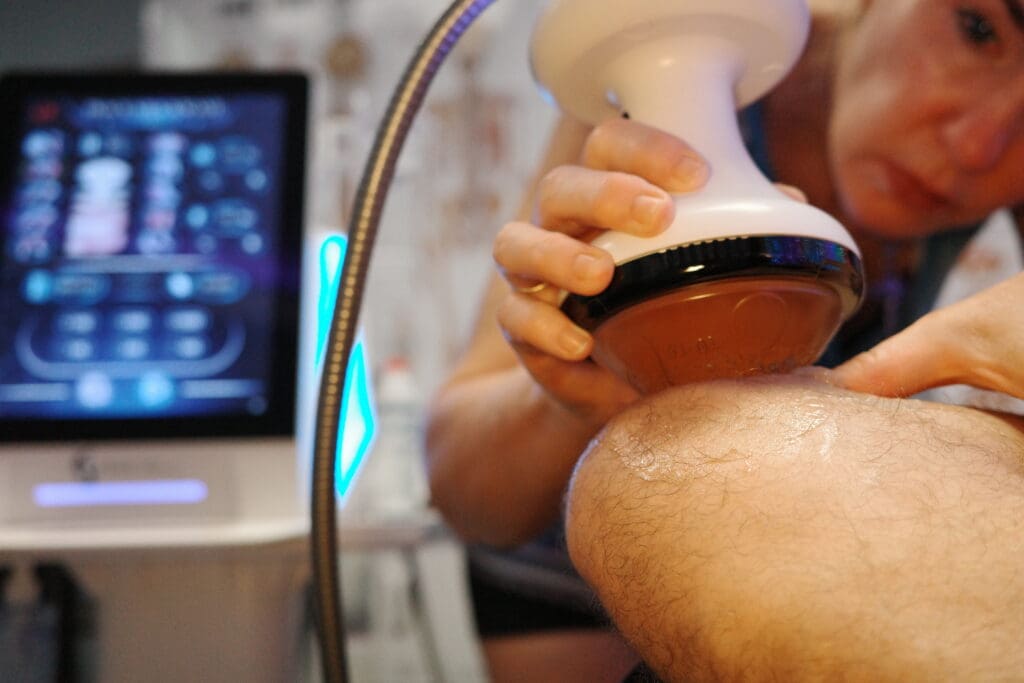
Surgery for Dupuytren’s contracture can be daunting not only due to recovery time but also because it’s not a cure, and the contracture may come back. Finding a treatment path that avoids invasive procedures while still regaining mobility sounds ideal—and that is exactly what we strive to provide at TRACE. Through a painless and straightforward process, patients can see improved flexibility and hand function in as few as five to seven treatment sessions. This alternative allows you to maintain your daily activities without the disruption surgery may cause. Knowing there is a path that does not involve cutting or grafting can ease your worries about long-term outcomes and recurrence.
Many people feel embarrassed when they cannot fully extend their fingers or hand because this condition affects such common, everyday tasks. Our approach treats not only the visible effects of Dupuytren’s but also works to loosen the thickened tissue that causes contracture. Each step of the treatment is designed to gently restore your hand’s natural range of motion, bringing back the ability to lay your hand flat or grasp objects comfortably. This non-invasive option holds promise for those who want to avoid the risks and uncertainties that come with surgery. At TRACE, we want to offer you a practical and effective solution that fits your lifestyle and values.
Our process combines multiple techniques that work together to address the root factors contributing to contracture. Instead of just masking symptoms, these therapies stimulate your body’s healing to remodel the tight fibrous bands causing finger curvature. With commitment to the full series of sessions, many patients notice increasing flexibility and reduced thickness of the bands in their hand. This improvement can make a real difference in your quality of life and your ability to use your hands with less frustration. The gentle, methodical approach respects your comfort while moving you toward better mobility.
TECAR energy therapy is a relatively new approach that helps improve circulation and tissue health in the affected part of your hand. This therapy uses radio frequency energy to encourage fluid movement and biostimulation within the thickened palmar fascia. By increasing tissue temperature and circulation, TECAR helps reduce stiffness and prepares the fascia for further treatments. The therapy supports your body’s natural repair processes, which can lead to increased flexibility and reduced contracture. Though it’s not yet a standard treatment everywhere, TECAR shows promising results in improving hand function for Dupuytren’s patients who want non-surgical options.
Using TECAR energy gently warms and mobilizes the thickened tissue and encourages cellular regeneration. This makes the fascia more pliable and responds better to stretching and other mobilization techniques. The increased blood flow also helps remove metabolic waste that can accumulate in fibrotic tissue, promoting healthier hand tissues overall. When combined with other treatments like scraping and shockwave therapy, TECAR enhances their effectiveness. Patients often notice the initial loosening of tight tissue after the first few sessions of TECAR energy therapy.
TECAR is also appreciated for being painless and quick, making it easy to incorporate into a treatment plan. You do not have to worry about discomfort or long recovery periods after sessions. It serves as an excellent first step in the multistage approach we offer at TRACE, preparing your hand so that subsequent therapies can work more effectively. The way TECAR stimulates tissue fluidization can ultimately help improve your range of motion and reduce contracture symptoms without invasive procedures.
Instrument Assisted Soft Tissue Mobilization (IASTM) is a technique that uses specialized tools to gently scrape the skin and underlying fascia. This method helps break down restrictions and scar tissue in the hand that contribute to Dupuytren’s contracture. By applying targeted mechanical stimulation, IASTM encourages a localized inflammatory response that jumpstarts healing in the dense fibrous bands. It also promotes lymphatic drainage, improving tissue health and reducing swelling. The technique is performed by trained professionals to ensure it is both effective and comfortable.
IASTM’s ability to release fascial tightness allows the hand to regain some of its lost flexibility. Patients often feel a decrease in stiffness soon after treatment, which makes daily tasks easier. The gentle scraping improves tissue remodeling, helping to smooth out the ropey collagen cords caused by the contracture. This approach is a valuable complement to TECAR energy and shockwave therapy, addressing fascial restrictions from multiple angles. By integrating IASTM into our treatment plan, we enhance your hand’s ability to regain function and reduce the progression of contracture.
Because IASTM supports tissue repair without surgery, it appeals to patients seeking less invasive care. The treatment involves minimal discomfort and requires no downtime afterward, allowing you to return to your routine right away. Many patients feel encouraged by the tangible improvements in hand mobility that come with regular IASTM sessions. This therapy not only eases physical symptoms but also helps restore confidence in your hand’s use. Combined with other therapies at TRACE, scraping helps reshape the fibrous tissue and promotes lasting changes.
Focused shockwave therapy leads the way as a non-invasive treatment that stimulates your body’s natural healing capabilities for Dupuytren’s contracture. By delivering acoustic waves directly into the affected areas, shockwave therapy helps break up the thick collagen cords causing finger contracture. This treatment encourages the release of growth factors essential to tissue regeneration and remodeling. Unlike surgery, shockwave therapy does not require anesthesia or downtime, making it a convenient option for busy individuals. Its ability to promote tissue healing can lead to improved hand function and a reduction in nodule size over time.
Shockwave therapy targets the rope-like cords without cutting or removing tissue, providing a gentler approach to managing contracture. The waves stimulate increased blood flow and new cell growth, helping the thickened fascia soften and become more flexible. This process not only helps free restricted fingers but may also slow or alter the progression of Dupuytren’s contracture. Many of our patients appreciate that this treatment feels comfortable and requires only short sessions. It fits well into a multi-phase treatment plan aimed at achieving long-term benefits.
Over time, repeated shockwave treatments support ongoing tissue repair and can reduce the discomfort and limitations caused by contracture. The stimulation of natural healing pathways helps create a healthier hand environment less prone to further tightening. Because it works with your body’s systems rather than against them, shockwave therapy offers a hopeful alternative to surgery for many. When combined with TECAR energy and IASTM, patients see enhanced results in mobility and hand function. This coordinated approach at TRACE provides an accessible path to better hand health.
Managing Dupuytren’s contracture can feel overwhelming when surgery seems like the only option. Our integrated approach combines TECAR energy, IASTM scraping, and shockwave therapy to tackle the condition from multiple angles without invasive procedures. Each modality supports your body’s natural ability to heal and remodel the thickened fascia, helping restore mobility and ease discomfort. This three-stage path is designed with your comfort and convenience in mind, requiring only a few short sessions to produce meaningful improvements.
I encourage you to take the first step by calling for a free evaluation and treatment consultation at TRACE. With careful assessment, we can customize a plan that fits your needs and lifestyle. You don’t have to accept limited hand function as your new normal. There is a better way to address Dupuytren’s contracture that offers hope without the risks of surgery or injections. We are here to support you through every step toward regaining more flexible and functional hands. Call or text today at (281) 571-3209
If you are exploring ways to support your health goals with science-backed, targeted treatments, peptide therapies might be the solution you’ve been searching for. These small chains of amino acids act as keys that unlock various processes in your body, promoting healing, enhancing performance, and supporting long-term wellness. By searching for “peptide therapies near me,” you connect to local options tailored to your unique needs. TRACE Body Rejuvenation in Houston offers a comprehensive range of peptides designed to help you achieve measurable improvements in fat metabolism, skin health, muscle repair, cognitive function, and overall vitality.
One of the most sought-after benefits of peptide therapy is its ability to support healthy weight management by encouraging your body to burn fat stores for energy while preserving muscle. Peptides act as messengers that signal your metabolism to target fat cells, providing energy without compromising lean tissue. This process helps maintain your strength and energy levels even as you reduce excess fat. With professional guidance, specific peptides can be selected to optimize fat loss in a safe and effective manner. You remain in control of your body composition goals as peptide therapy supports your ongoing efforts.

Burning fat efficiently while protecting muscle mass addresses a common challenge in weight loss journeys. Often, diets or exercise alone can result in muscle loss, which negatively affects metabolism and physical function. Peptide therapies help reduce this problem by promoting fat breakdown pathways and enhancing metabolic rate at the cellular level. In addition, these therapies may improve your body’s ability to regulate insulin and other hormones involved in energy balance. The result is a more balanced approach to fat loss, tailored for your unique physiology.
Incorporating peptide therapy into your wellness plan provides a targeted path to reach your ideal body composition. Rather than offering a one-size-fits-all solution, the therapies are customized according to your health profile and goals. Professional consultations allow for evaluation and pairing of peptides that aid in fat metabolism while protecting muscle tissue. You can feel confident knowing you are using treatments with scientific support and clinical oversight. This approach empowers you to reach sustainable results.
Peptides play a vital role in stimulating the production of collagen and elastin—the proteins responsible for maintaining your skin’s firmness and elasticity. As aging and environmental factors reduce these proteins, many notice sagging or less resilient skin. Targeted peptide therapies encourage your skin to rebuild and restore these critical components, helping you achieve a firmer and healthier look. The treatments work beneath the surface, promoting natural regenerative processes without harsh interventions.
Your skin is a reflection of your overall health, and supporting it at the cellular level can lead to subtle but meaningful improvements. Peptides activate signaling pathways that increase the synthesis of structural proteins, improving skin texture and reducing fine lines. Unlike surface-level creams, peptide therapies address the root causes of diminished skin elasticity by enhancing your body's own repair mechanisms. The outcome is a revitalized complexion with improved tone and suppleness.
Moreover, peptide therapies help protect your skin from ongoing damage by supporting cellular health and antioxidant defenses. They strengthen barrier function while encouraging moisture retention, contributing to a more youthful and resilient appearance. These results come from treatments designed to complement your lifestyle and other wellness practices. Personalized peptide protocols provide a balanced approach to skin tightening that respects your skin’s natural processes.
Maintaining and building muscle becomes more challenging as we age, due to natural declines in hormone levels and cellular recovery capacity. Peptide therapies offer a practical way to counteract muscle erosion by promoting tissue repair and improving recovery time after physical stress. Specific peptides target pathways involved in muscle synthesis and regeneration, helping you preserve strength and physical performance over time. Incorporating these therapies can complement your fitness routine and recovery strategies.
After exercise or injury, your muscles need efficient repair to restore function and prevent long-term breakdown. Peptides help stimulate the production of growth factors and other molecules essential for muscle tissue rebuilding. This enhanced repair process not only reduces soreness and downtime but also supports the development of new muscle fibers. By improving recovery, peptides allow you to train consistently and maintain an active lifestyle with less fatigue and discomfort.
Furthermore, peptide therapies can help slow age-related muscle loss by addressing the decreasing levels of hormones such as growth hormone and IGF-1 that affect muscle mass. These treatments work by gently boosting the signals necessary for muscle maintenance without relying on harsh or artificial substances. Your body receives the support it needs to keep muscles healthy and functional. This approach fits well within a comprehensive plan for healthy aging and sustained vitality.
Cognitive decline and memory loss are concerns many face as they get older, but peptide therapies can play a role in supporting brain health and neuroprotection. Certain peptides have been studied for their ability to enhance cognitive function, improve communication between brain cells, and reduce the risk factors linked to memory impairment. These therapies act at a cellular level to nourish brain tissues, helping maintain mental clarity and focus. Regular consultation allows you to select peptides suited to your individual cognitive goals.
The aging brain experiences changes that affect neurotransmitter levels, inflammation, and cellular repair, which contribute to memory challenges. Peptides work by modulating some of these factors, promoting neuronal growth, reducing oxidative stress, and improving blood flow to the brain. This multifaceted support can help slow cognitive decline and enhance your mental performance. The non-invasive nature of peptide therapies makes them a thoughtful addition to your brain health regimen.
In addition, peptides offer promising benefits for long-term neuroprotection by addressing early mechanisms that lead to cognitive disorders. They support cellular detoxification and repair processes critical to brain resilience. When combined with healthy lifestyle choices, these therapies can help you maintain independence and quality of life. Tailoring peptide treatments according to your cognitive needs ensures you receive the most appropriate support.
Unlocking the potential of peptide therapies near you provides a path to target your body’s unique needs with precision and care. From fat metabolism to skin rejuvenation, muscle support, and brain health, these treatments offer science-backed solutions that fit your specific wellness goals. Scheduling a consultation gives you the opportunity to explore a library of peptides designed to enhance your health journey. Discover how targeted peptide therapies can complement your lifestyle and help you achieve meaningful, lasting results. Contact TRACE Body Rejuvenation in Houston today to begin your personalized approach to whole-body wellness.
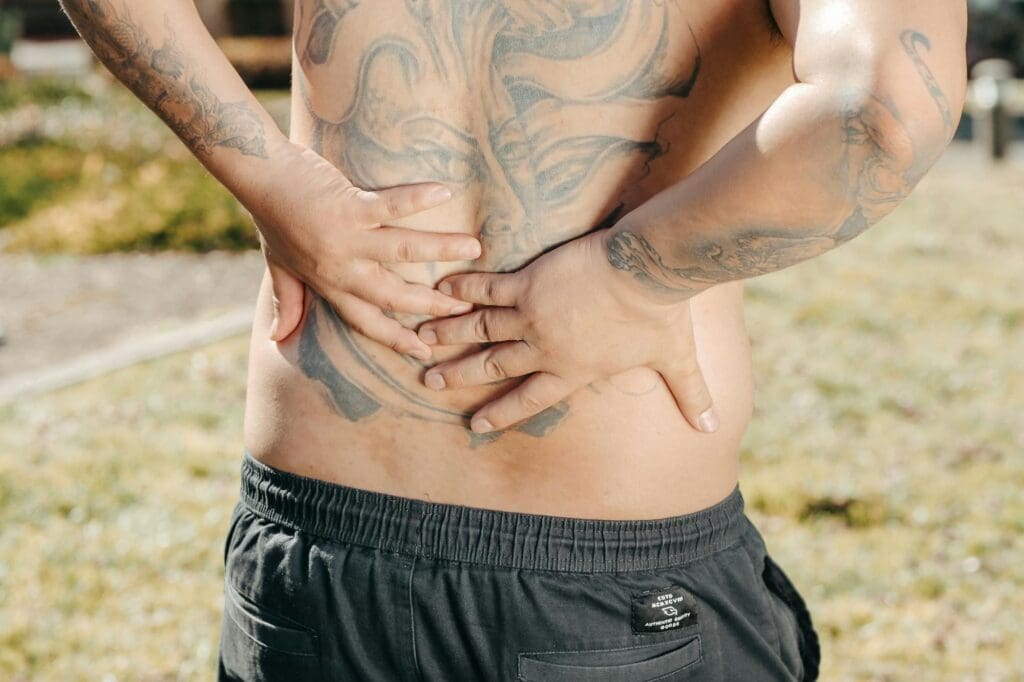
The regenerative power of peptides like BPC-157 and TB-500 is rapidly gaining attention as a natural, effective way to support the body's healing processes and promote longevity. These peptides work by harnessing the body's own mechanisms to repair tissue, reduce inflammation, and boost recovery, offering promising benefits without relying on pharmaceuticals. Combining BPC-157 and TB-500 creates a powerful therapeutic stack that can support healing from injuries, improve muscle and tendon repair, and enhance overall vitality. If you are interested in improving your health and resilience through science-backed natural options, learning about this peptide combination could be a pivotal step.
BPC-157, also known as Body Protection Compound-157, is a peptide derived from a protein naturally found in the stomach lining. It has multiple healing benefits, including accelerating the repair of muscles, tendons, and ligaments by promoting new blood vessel formation and reducing inflammation. TB-500, or Thymosin Beta-4, is another peptide that complements BPC-157 by aiding cell migration and tissue regeneration. Together, these peptides target different pathways in the body, promoting comprehensive and efficient tissue repair. Combining BPC-157 and TB-500 provides an affordable and practical approach to enhancing your body’s innate healing capacity, supporting longevity with minimal risk.
When used individually, both BPC-157 and TB-500 have shown promising results in improving recovery times from injury and reducing chronic inflammation. BPC-157 stimulates growth hormone receptors and supports collagen synthesis, which is vital for maintaining tissue strength and elasticity. TB-500 enhances the mobility and regeneration of cells in injured areas, especially soft tissues like ligaments and tendons. Together, they cover multiple aspects of the healing process, reducing downtime and improving structural integrity of damaged tissues. This synergy makes the stack a practical and powerful option for anyone looking to maintain an active, healthy lifestyle for years to come.
Integrating BPC-157 and TB-500 into your wellness routine is recognized as a breakthrough in non-pharmaceutical regenerative medicine. While longevity trends among some public figures highlight extreme measures, these peptides are accessible and effective tools you can use to significantly support tissue repair and overall health. This peptide combination offers a realistic way to add years to your life and enhance the quality of those years through improved resilience and healing.
These peptides aren’t reserved only for middle-aged or older adults focused on longevity; they also serve younger adults, especially athletes or those recovering from physical injury. In your 20s and 30s, sports injuries or accidental trauma can severely impact your performance and recovery time. BPC-157 and TB-500 work together to speed tissue repair, minimize inflammation, and restore function after injury. This enables active individuals to return to their fitness routines faster and with less discomfort.
Athletes often face strains, tears, or overuse injuries that can linger and worsen without proper intervention. The regenerative effects of these peptides help your body manage inflammation proactively and promote structural rebuilding. BPC-157’s ability to improve blood flow and angiogenesis supports the damaged tissue by delivering nutrients more efficiently. Meanwhile, TB-500 encourages cells to migrate effectively to injury sites, facilitating targeted repair. This combination helps younger people maintain their active lifestyle by shortening recovery timeframes and reducing reliance on pain medication.
For those juggling work, training, and life responsibilities, a fast and natural recovery method is invaluable. Using BPC-157 and TB-500 as part of a healing regimen offers an alternative to invasive procedures or prolonged downtime. It empowers you to take control of your health in a way that complements your natural biology without adverse drug interactions. The peptide stack is particularly appealing if you prioritize sustainable health solutions that fit your budget and goals.
Many people hesitate when they hear that the most efficient way to use the BPC-157 and TB-500 Regenerize cocktail is via subcutaneous injections. Oral treatments, while convenient, fail to deliver these peptides effectively because they are fragile proteins broken down in the stomach's digestive environment. Subcutaneous injections place the peptides just beneath the skin, allowing direct absorption into the bloodstream and targeted delivery to the injury site. This method ensures the peptides remain intact to perform their regenerative functions efficiently.
TRACE Body Rejuvenation provides clear guidance on self-administering these injections safely and comfortably. The typical protocol involves injecting the peptides Monday through Friday with weekends off over a ten-week cycle. This schedule allows the body time to integrate the peptides into its healing pathways and start active tissue repair. Regular monitoring during this period helps adjust dosages and optimize results based on individual progress.
Even those who are afraid of needles need not worry. The size of the needle is teeny tiny — about the width of a human hair — and injecting is truly a breeze. Most people are surprised at how simple and painless the process actually is once they try it for the first time.
While injections may seem intimidating at first, this controlled and straightforward regimen vastly improves the effectiveness of the peptides. The hands-on approach ensures you receive the full benefits of BPC-157 and TB-500, making the healing process faster and more consistent. TRACE prepares you with the knowledge and confidence to self-administer injections properly — and provides everything you need to get started, including syringes, needles, alcohol swabs, and a convenient vial dispenser that helps you dose accurately and avoid waste.
Our bodies operate through complex cycles that regulate everything from hormone levels to cellular repair. Women, for example, are familiar with their approximately 28-day reproductive cycle, a natural rhythm that promotes balance and renewal. Peptide therapy benefits when delivered in cycles as well because it aligns with the body's physiological processes. TRACE advises taking breaks from peptides to imitate these natural patterns, helping maintain the body's responsiveness and avoid potential tolerance.
Pausing peptide use on weekends and cyclically through therapy mimics the rhythm seen in many natural bodily systems. This approach prevents overstimulation and allows your tissues to reset and respond more favorably during active treatment phases. Allowing the body time off peptides optimizes healing by respecting these internal biological rhythms. This strategy supports sustained benefits over extended use rather than short-lived gains.
TRACE provides 10 mg of BPC-157 and 10 mg of TB-500 — a total of 50 doses — to be used over a 10-week period. This allows you to follow a structured regimen that mimics nature’s healing rhythm, giving your body a clear window to activate long-term repair. After completing the cycle, many patients experience a noticeable improvement in healing capacity and resilience, as their bodies are jumpstarted into deeper, sustained recovery.
Harness the benefits of the Regenerize peptide stack by contacting TRACE Body Rejuvenation to schedule your appointment. This tailored program offers you a safe, effective, and affordable way to support your body's healing, enhance longevity, and take control of your health naturally. Start the journey toward better recovery and sustained wellness today.
When conventional treatments for Achilles Tendinitis fail to provide relief, individuals often face a daunting challenge in finding effective solutions. This condition, particularly prevalent among active individuals such as runners, can be debilitating, taking away the joy of participating in sports. For those who have explored various avenues like physical therapy, stretching, icing, and medication without success, shockwave therapy offers a promising alternative. At TRACE | Body Rejuvenation, we have invested in state-of-the-art technology to help individuals overcome this hurdle. Our specialized equipment is typically used by professional sports organizations to treat stubborn tendon issues.
How Shockwave Therapy Works

Shockwave therapy is grounded on the principle of delivering high-intensity focused energy into deep tissues through the skin surface. This process effectively stimulates the affected tissue, accelerating the growth of new blood vessels and improving blood circulation. By inducing a new inflammatory process, shockwave therapy awakens the cell's self-repair function, which is crucial for healing. It also destroys adhesions, scarring, and blockages in the damaged tendon area, addressing calcified or fibrotic soft tissues and promoting tissue regeneration. This comprehensive approach ensures that damaged tissues receive the necessary stimuli to recover and regenerate.
Shockwave therapy is particularly beneficial for treating Achilles Tendinitis because it targets the root causes of the condition—poor blood circulation and scar tissue formation. By enhancing blood flow and breaking down scar tissue, shockwave therapy creates an environment conducive to healing. This method is not only effective but also minimally invasive, making it an attractive option for those who prefer non-surgical interventions. Furthermore, the therapy is relatively quick, with sessions lasting only a few minutes. Overall, shockwave therapy offers a sophisticated approach to treating tendon issues without the need for extensive downtime.
The effectiveness of shockwave therapy for Achilles Tendinitis is supported by clinical evidence. Studies have shown that shockwave therapy can significantly reduce pain and improve function in patients suffering from chronic Achilles Tendinitis. For instance, a systematic review demonstrated that shockwave therapy is an effective treatment modality for this condition. Additionally, the therapy helps in creating a new inflammatory response, which is essential for the healing process. This process stimulates the body's natural repair mechanisms, leading to faster recovery and reduced pain.
Pain Relief through Shockwave Therapy
High-energy shockwaves used in shockwave therapy can stimulate pain nerve receptors, effectively blocking pain signals and achieving an immediate analgesic effect. This method also alters free radical levels around cells, releasing substances that suppress pain and increase the pain threshold. Consequently, shockwave therapy provides both immediate and long-term pain relief, making it a valuable option for those seeking to manage chronic pain associated with Achilles Tendinitis. The therapy is particularly appealing because it offers a non-pharmacological approach to pain management, avoiding the potential side effects of medication. Moreover, the therapy's ability to promote healing and reduce inflammation contributes to sustained pain relief.
One of the most significant advantages of shockwave therapy is its ability to provide instant pain relief. This is especially beneficial for individuals struggling with chronic pain, as it allows them to resume their daily activities without the constant discomfort. The therapy is also effective in reducing pain over the long term by addressing the underlying causes of the condition. By improving tissue health and promoting recovery, shockwave therapy helps individuals regain their quality of life. Furthermore, the therapy can be used in conjunction with other treatments to enhance overall recovery.
The mechanism by which shockwave therapy achieves pain relief is multifaceted. Not only does it block pain signals, but it also promotes healing by stimulating the body's natural repair processes. This comprehensive approach ensures that pain is managed both immediately and in the long term. Additionally, the therapy is non-invasive and does not require downtime, making it accessible to individuals who prefer to avoid surgical interventions. Overall, shockwave therapy offers a reliable method for managing pain associated with Achilles Tendinitis.
The Safety and Accessibility of Shockwave Therapy
Shockwave therapy is considered a "green therapy" due to its non-surgical, non-invasive, safe, and effective nature. It aligns with modern medical pursuits to provide treatments that have no downtime for recovery. While it is recommended to avoid high-impact activities during treatment, individuals can resume normal daily activities immediately. This aspect is particularly appealing for active individuals who wish to maintain their lifestyle without significant interruptions. Furthermore, the therapy is relatively affordable, with sessions costing only $150, making it accessible compared to other clinics.
One of the primary advantages of shockwave therapy is its safety profile. It is generally well-tolerated by most individuals, and the risk of complications is minimal. This makes it an attractive option for those seeking a non-invasive treatment for Achilles Tendinitis. Additionally, the therapy is efficient, with sessions lasting only a few minutes. This efficiency, combined with its safety, ensures that individuals can receive treatment without disrupting their daily routines significantly. Overall, shockwave therapy offers a reliable and accessible treatment option.
The accessibility of shockwave therapy is enhanced by its affordability and availability. Unlike many clinics that charge per pulse, TRACE | Body Rejuvenation offers a flat fee of $150 per session. This pricing model makes the therapy more accessible to individuals who need it, without the financial burden often associated with other treatments. Moreover, the therapy's effectiveness in treating stubborn tendon issues ensures that individuals can achieve significant relief without incurring high costs. By providing this service, TRACE aims to bridge the gap in accessibility for those seeking advanced treatments.
Who Should Avoid Shockwave Therapy
While shockwave therapy is generally safe and effective, there are certain individuals for whom it is not recommended. Those with bone cancer should avoid shockwave therapy, as it may potentially stimulate cancer cell growth. Additionally, individuals with blood clotting disorders or uncontrolled infections are at risk due to the increased likelihood of bleeding during treatment. Nerve disorders, such as neuropathy, may also be exacerbated by the therapy. Furthermore, shockwave therapy is not recommended during pregnancy due to unknown effects on the fetus.
Local infections in the treatment area should be cleared before proceeding with shockwave therapy to minimize the risk of complications. Recent steroid treatment for the condition is also a contraindication, as it may weaken tissues and increase the risk of damage during therapy. The presence of metal pins or implants in the affected area is another contraindication, as shockwaves can interfere with these devices. Additionally, individuals using anticoagulant medications should exercise caution when considering shockwave therapy. It is crucial to assess these factors before initiating treatment.
Individuals with certain medical conditions need to consult with their healthcare provider before undergoing shockwave therapy. It is essential to ensure that the therapy is safe for each individual based on their health status. By understanding these contraindications, individuals can make informed decisions about their treatment options. Moreover, discussing these factors with a healthcare provider helps in tailoring the treatment plan to suit individual needs. Overall, while shockwave therapy offers many benefits, it is crucial to consider these factors to ensure safety and effectiveness.
In summary, shockwave therapy presents a promising solution for individuals struggling with Achilles Tendinitis that has not responded to conventional treatments. By offering a non-invasive, effective, and accessible treatment option, TRACE | Body Rejuvenation aims to provide relief to those who need it most. The therapy's ability to stimulate healing, provide pain relief, and promote recovery without downtime makes it an attractive choice for active individuals. To explore how shockwave therapy can help alleviate your Achilles Tendinitis, contact TRACE | Body Rejuvenation at (281) 571-3209 for more information. They are committed to making this advanced treatment accessible to everyone in need.
Shoulder pain can disrupt your life—whether you're an athlete, office worker, or parent. One moment, your arm moves freely; the next, even lifting a coffee cup causes discomfort. Two of the most common causes of shoulder pain are rotator cuff injuries and labral tears. Both affect your ability to move and function, but they require different treatment strategies. Identifying the source of your shoulder pain early is key to healing—quickly and completely.
Understanding the Anatomy: What Are the Rotator Cuff and Labrum?
Before diving into diagnosis and treatment, it’s important to understand what these structures actually are:
The rotator cuff is a group of muscles and tendons that surround the shoulder joint, providing stability and allowing you to lift and rotate your arm.
The labrum is a disc-shaped, O-ring structure made of cartilage inside the shoulder joint. It deepens the socket and provides cushioning and support for the ball of the upper arm bone.
These structures are essential to proper shoulder movement, and injury to either can lead to pain, limited mobility, and instability.
Note: We may expand this topic into a full shoulder series to explore different injury types in more detail.
TRACE Body Rejuvenation in Houston offers advanced diagnostics and non-surgical therapies to help you recover faster. Combining physical therapy with cutting-edge TECAR technology, TRACE customizes treatment to address the root of your pain—whether it’s inflammation, a tear, or overuse. You don’t have to guess what’s wrong. A guided, clinical evaluation leads to a solution you can trust.
Spotting the Difference: Rotator Cuff vs. Labrum Injuries
A rotator cuff injury often starts with a dull ache, especially at night or after repetitive movements. You may find yourself avoiding certain motions like reaching overhead or rotating your shoulder outward. Weakness when lifting is another red flag.
In contrast, labral tears present more like joint instability. You may notice clicking, locking, or a sensation that your shoulder is “slipping.” Sharp pain during quick movements or when reaching behind your back could indicate labral involvement.
Both types of injuries can result from trauma, athletic strain, or repetitive motion. TRACE evaluates your symptoms through hands-on assessment and may order imaging to confirm whether your pain stems from a torn rotator cuff, damaged labrum, tendinitis, or a sprain. Pinpointing the problem guides a more effective recovery plan.
Understanding When Surgery Becomes Necessary
Most shoulder conditions improve with conservative care, but surgery can be necessary when damage is extensive. Complete rotator cuff tears, significantly torn labrums, or failed progress after several weeks of therapy might call for surgical repair.
Persistent pain, instability, or loss of range of motion despite treatment are strong indicators. TRACE helps you recognize when it's time to consider further imaging or referral to a surgical specialist.
Still, many patients heal without surgery. The team prioritizes non-invasive therapy and supports clients with pre- and post-surgical recovery when necessary. If you’re unsure whether your injury requires surgery, TRACE helps you weigh the options with clarity.

Exercises That Promote Shoulder Healing
Physical therapy is the first line of defense for many shoulder issues. Gentle, guided movements restore strength and flexibility without risking further damage. You might begin with wall crawls or pendulum swings and gradually move to more resistance-based exercises.
Common techniques include banded external rotations, scapular stabilizing drills, and posture-focused stretches. These movements target the deep muscles around your shoulder, helping to reestablish balance and support.
What makes TRACE unique is how these exercises are enhanced using TECAR current during your therapy. By attaching electrodes directly to the skin, current flows through targeted tissues while you move, pushing healing deep into the structures where damage has occurred.
How TRACE Uses TECAR Technology to Deepen Recovery
TECAR therapy transforms ordinary rehab into a more dynamic healing experience. Using the Ohm effect, TECAR current is pushed deep into injured tissues to stimulate blood flow, reduce inflammation, and promote faster cellular repair.
During your session, TRACE therapists guide you through physical therapy movements while electrodes deliver healing current. This approach not only speeds recovery—it increases the effectiveness of each rep. You get more out of every session with less discomfort and downtime.
Whether you’re recovering from a rotator cuff strain, labral instability, or post-surgical stiffness, TECAR-powered manual therapy makes a difference you can feel. TRACE combines expert technique with breakthrough tools to deliver personalized care that works.
A Customized Approach to Shoulder Treatment in Houston, TX
TRACE takes a different path than traditional physical therapy clinics. Instead of standardized exercise routines, your treatment evolves based on your body’s response. Full-body tension assessments reveal postural imbalances or muscle dysfunctions contributing to pain.
Each step of your plan is adjusted in real time to maximize your recovery. The team may recommend imaging to rule out severe damage or modify your program if progress stalls. The goal isn’t just to help you heal—it’s to help you heal faster.
Clients often report quicker pain relief, improved mobility, and greater confidence in their movement. TRACE therapists listen, observe, and adapt your care every session to keep you moving forward.
Schedule Your Evaluation for Shoulder Treatment Today
Don’t wait for your shoulder pain to get worse. Ignoring the signs of a rotator cuff or labrum issue can lead to long-term dysfunction and missed opportunities for early healing. TRACE offers expert evaluation and therapy customized to your needs—whether your condition requires conservative care or next-level support.
Contact TRACE Body Rejuvenation in Houston to schedule your assessment at (281) 571-3209. Your path to better movement, less pain, and a quicker recovery starts now.
Sinusitis can be like having a never-ending cold, with painful pressure, headaches, and even a loss of smell making life miserable. But don’t worry—there’s a brighter side! At TRACE Body Rejuvenation in Houston, we offer a game- changing treatment called TECAR therapy. This innovative therapy provides relief from sinusitis symptoms without the need for surgery, so you can breathe easy and get back to enjoying life.
Sinusitis is the painful inflammation of the sinuses, often resulting from colds, allergies, or chronic infections. The condition can become so severe that it requires surgical intervention to remove the blockage. Bacteria and overstimulated mucus production can lead to impacted sinus passages, completely blocking the ability to breathe. Patients may also experience referred pain, such as toothaches, when their sinuses are inflamed.
Several factors contribute to sinusitis, including:

For many individuals, self-help measures like taking antihistamines, nasal rinsing, and using saline sprays can help manage environmental and seasonally induced sinusitis symptoms. However, severe cases may require more intensive medical interventions, such as antibiotics, steroids, and in some cases, surgery. Despite these efforts, some patients continue to suffer from persistent symptoms and seek alternative treatments.
TRACE | Body Rejuvenation has successfully used TECAR therapy to provide relief for those suffering from sinusitis, often saving them from the need for surgery. TECAR therapy works by using radio frequency energy to stimulate deep tissue healing, reducing inflammation and promoting drainage of the sinuses.
Linda Warner, one of our clients, came to us with severe sinusitis ahead of her daughter’s wedding. She had a 100% blockage in her left sinus passages and had undergone a year of antibiotics, steroids, and nasal rinses with no relief. She was even scheduled for surgery to remove the blockage. After just two TECAR therapy sessions within a week, imaging showed a significant reduction in blockage from 100% to 50%, leading her physician to cancel the surgery.
Air passages in radiology images of the sinuses or lungs will be black. The sinus passages in the head are hollow voids. The image on the left has arrows showing sinus passages that should image as black, but they are blocked showing the severity of the impacted material. The image on the right shows a dramatic reduction in the blockage. We continued with several more treatments to keep the improvement going.